
SolutionsBalance of Plant Intelligence
Balance of Plant Intelligence
Balance of Plant Intelligence — Understanding the equipment behind operational performance.
Major industrial operations depend on a wide population of supporting equipment. When that equipment is poorly understood, its problems often appear first as lost capacity, unplanned stoppages or difficult investigations.
AxioIX helps organisations decide where additional physical visibility is worthwhile, and develops practical ways to obtain it.
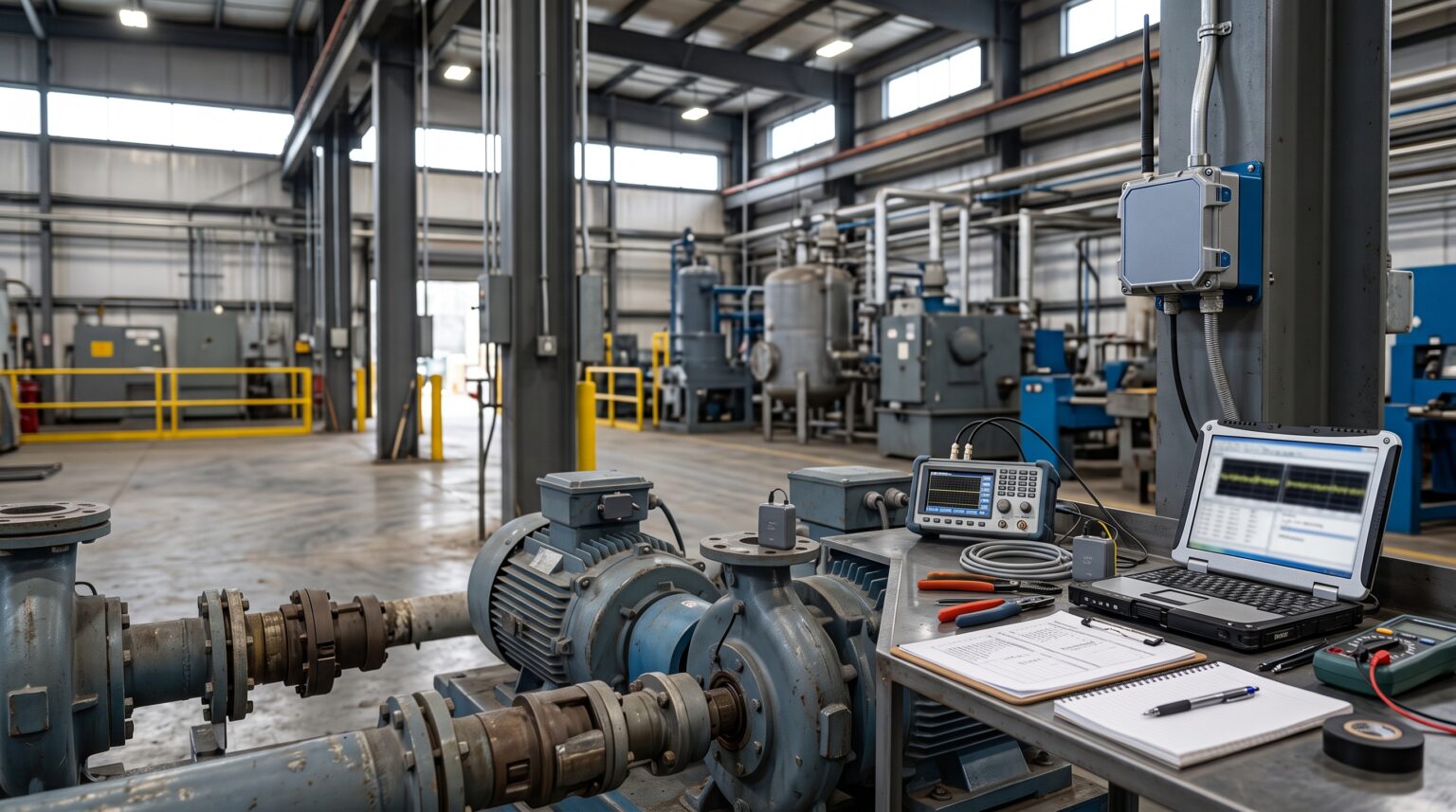
The overlooked operating environment
The primary process depends on its supporting plant.
Monitoring attention usually concentrates on the most critical or expensive machines. Yet the reliability of that primary equipment depends on supporting machines, utilities and processes: pumps, motors, fans, compressors, conveyors, cooling systems, lubrication systems and associated plant.
These assets are numerous, often distributed and individually less visible. Their condition is frequently checked through periodic rounds, local indicators or not at all, so emerging problems can remain unnoticed until they affect the wider operation.
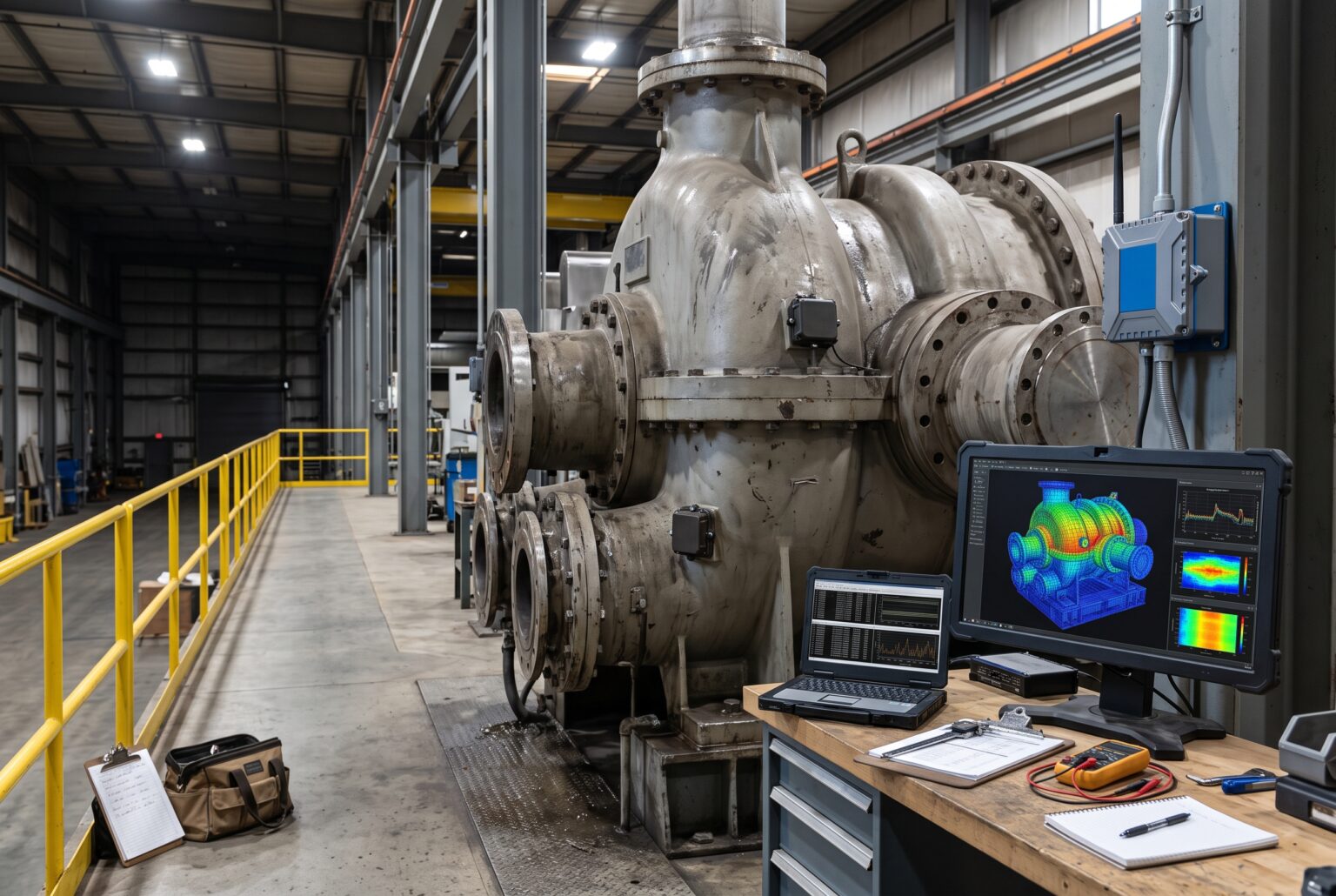
Why the relationships matter
An auxiliary asset matters because of what it supports.
A supporting asset’s condition becomes far more significant when it is connected to the service or process it enables. The same vibration on two identical pumps can mean very different things if one has a standby and the other feeds a critical circuit.
A small auxiliary pump may influence the availability of a much larger operation. Understanding these dependencies helps organisations decide which conditions deserve attention, how quickly they matter and who needs to know.
Where visibility adds value
Not every asset needs the same attention.
Effective Balance of Plant monitoring starts by determining which supporting equipment, physical behaviour and operating conditions merit additional visibility. Some assets justify detailed measurement; others need only periodic condition indicators or a simple operating state.
- ConsequenceWhat happens to the wider operation if this asset degrades or stops?
- Physical behaviourWhich conditions, such as vibration, temperature or operating state, reveal the problems that matter?
- Detail and frequencyHow much measurement detail is needed, and how often?
- PracticalityWhat can be installed, powered, connected and maintained economically?
- UseWho will act on the information, and within which existing processes?
Sensing and communications
Technology selected for the requirement.
Balance of Plant applications combine different sources of information according to what each asset requires. AxioIX does not assume that every asset needs a new device.
Existing instrumentation
AxioIX sensing products
Third-party equipment
Condition to consequence
From equipment condition to process consequence.
The value of Balance of Plant information comes from connecting it to what it affects. Physical evidence from an auxiliary asset is interpreted in the context of the process or service it supports, so that the resulting decision reflects the real operational consequence.
Verifying the outcome of each action closes the loop: it confirms whether the response worked and improves how future conditions are interpreted.
Cross-industry relevance
Supporting plant exists in every industrial operation.
These are application opportunities where Balance of Plant thinking is relevant, not descriptions of completed deployments.
Mining circuits
Pharmaceutical utilities
Industrial refrigeration
Large facilities
Oil and gas equipment
Power-generation support
Practical expansion
Start focused. Extend where value is demonstrated.
A successful initial application can extend to adjacent equipment, connected circuits or a wider asset population. Each step is justified by what the previous one showed, rather than by a plan to instrument everything at once.
- Initial applicationA defined group of supporting assets with a clear operational question.
- Adjacent equipmentSimilar assets or those sharing the same service or circuit.
- Wider asset populationBroader coverage where the information has proved useful and manageable.
Value sought
What better Balance of Plant information can support.
The value of each application depends on the operation, the equipment and how the information is used. AxioIX does not promise fixed savings; the aim is information that leads to better decisions.
- Improved reliability information for supporting equipment
- More informed maintenance planning and prioritisation
- Clearer understanding of process dependencies
- Better evidence for fault investigation
- Opportunities to reduce avoidable operating losses
Discuss a Balance of Plant opportunity.
Tell us about the supporting equipment behind your operation and the problems it causes, and we will help you consider where additional visibility could be worthwhile.