
Insights
Thinking about evidence, AI readiness and operational decision loops.
Practical perspectives on how organisations can connect physical-world events to better decisions and more reliable operating models.
Editorial focus
Better technology starts with better evidence.
Many organisations are investing in AI, dashboards, digital twins, automation and new operating platforms. But those systems can only improve decisions when the evidence beneath them is timely, contextual and suitable for the decision expected from it.
AxioIX Insights focuses on the practical link between physical-world evidence and operational action: what must be observed, how evidence should be captured, when it should be processed at the edge, how it should enter the decision loop, and when a proof should become a repeatable solution.
Articles will be published here for leaders, engineers, operators, OEMs and partners who need to turn physical events into evidence that can be trusted and acted upon. Examples are anonymised unless publication has been agreed, and claims are kept proportionate to the evidence available.
Core themes
What we write about.
Theme 01
Physical evidence and decision loops
How physical signals, context and operating workflows combine to improve decisions about assets, processes, tools, movement and condition.
Theme 02
POC / POV design
How to prove the evidence path and business case before committing to a device, platform or productisation pathway.
Theme 03
AI and digital-twin readiness
Why AI models and digital twins depend on the quality, timing and context of the evidence layer beneath them.
Theme 04
Edge processing and evidence movement
How local processing, filtering, escalation and communications choices affect whether evidence reaches the right system at the right time.
Theme 05
Proof-to-productisation
How proven evidence requirements can move towards repeatable solutions through USP, rfFlux, integration or embedded product pathways.
Theme 06
Mining and physical operations
How demanding industrial environments shape the evidence architecture needed for better operational, maintenance and product decisions.
Perspectives
Starting points for better evidence thinking.
Perspective
Why AI needs physical evidence, not just more data
AI and digital twins do not become reliable simply because more data is available. They need evidence that is captured at the right fidelity, connected to the right context and suitable for the decision being asked of the model.
Perspective
Prove the decision loop before scaling the technology
A pilot can look successful while relying on hidden expert judgement, manual repair or local workarounds. Before scaling, organisations need to know whether the evidence path, interpretation and operating workflow are repeatable.
Perspective
The device is not the starting point
Selecting the technology too early can trap a project inside the limits of a device. The evidence requirement should determine the technology path, not the other way round.
Perspective
When a proof should become a product
Not every POC should become hardware. Productisation makes sense when the problem recurs, the evidence requirement is stable, the volume or strategic value is sufficient, and the operating loop can use the result.
Perspective
More data is not always better. Better evidence is.
Some decisions need high-resolution physical signals. Others need event-level evidence, condition state or exception history. Designing an evidence layer means deciding what must be preserved, what can be summarised, what should be processed locally and what must be escalated.
Evidence questions
Questions worth asking before an AI, IoT or monitoring investment.
The most useful technology conversations often begin with sharper evidence questions.
- What decision must improve?
- What physical event, condition or state matters?
- What evidence would support the decision?
- How soon must the evidence arrive?
- What signal detail must be preserved?
- What can safely be summarised?
- What context is required to interpret the evidence?
- Who or what acts on the result?
- What happens if the evidence is wrong, late or incomplete?
- What proves that the business case justifies scaling?
Application lens
Insights grounded in real physical operations.
AxioIX works across physical environments where decisions depend on machines, assets, processes, tools, movement, condition and operating context. Insights connect those themes without exposing sensitive client work or unapproved case details.
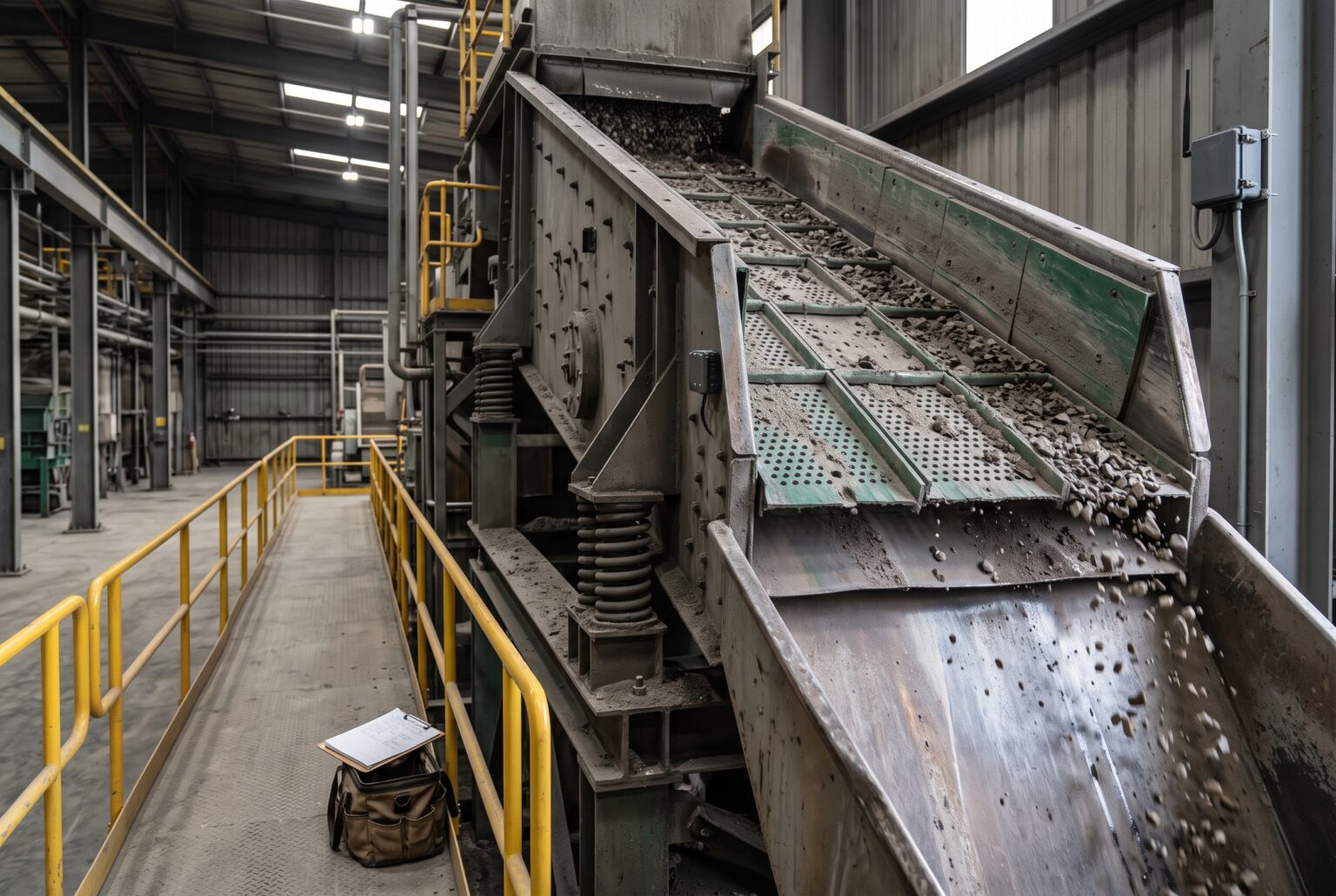
Mining and mineral processing
Evidence questions around screens, mills, process assets, condition signals, intervention timing and product-performance insight.
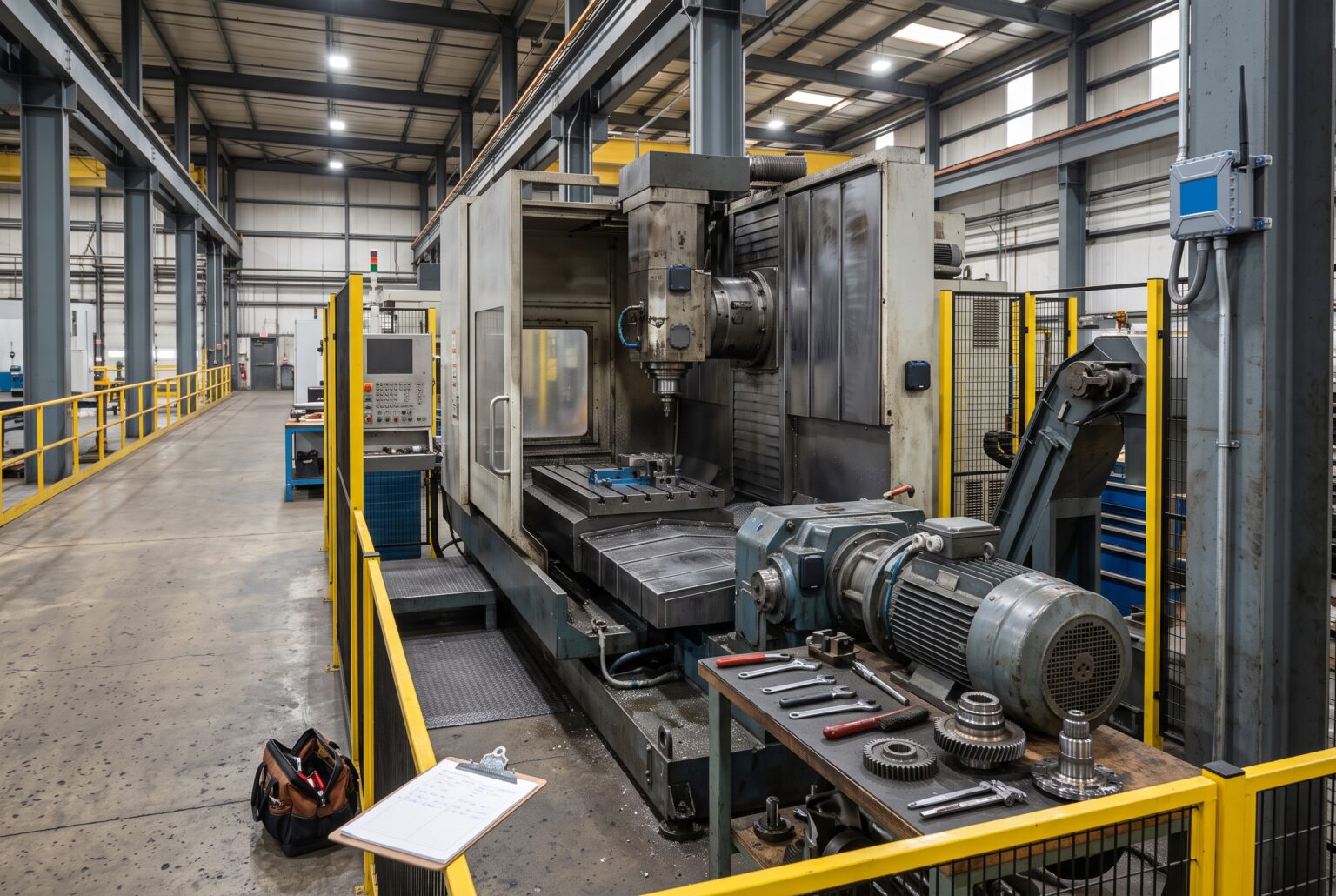
Manufacturing and asset reliability
Evidence questions around abnormal behaviour, tool usage, component wear, process drift and recurring failure patterns.
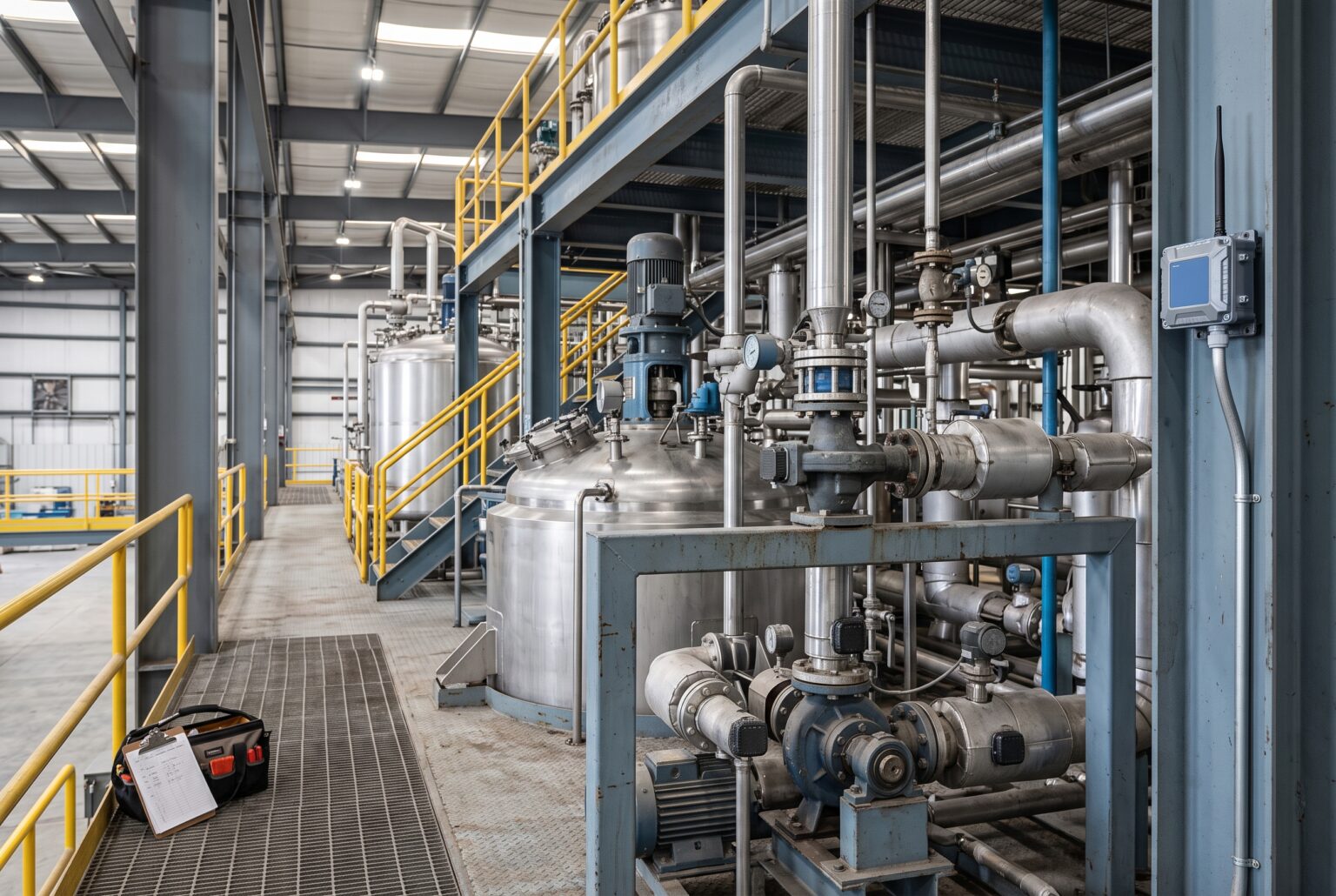
Regulated process improvement
Evidence questions around process consistency, physical behaviour and earlier understanding of variation without naming clients or products.

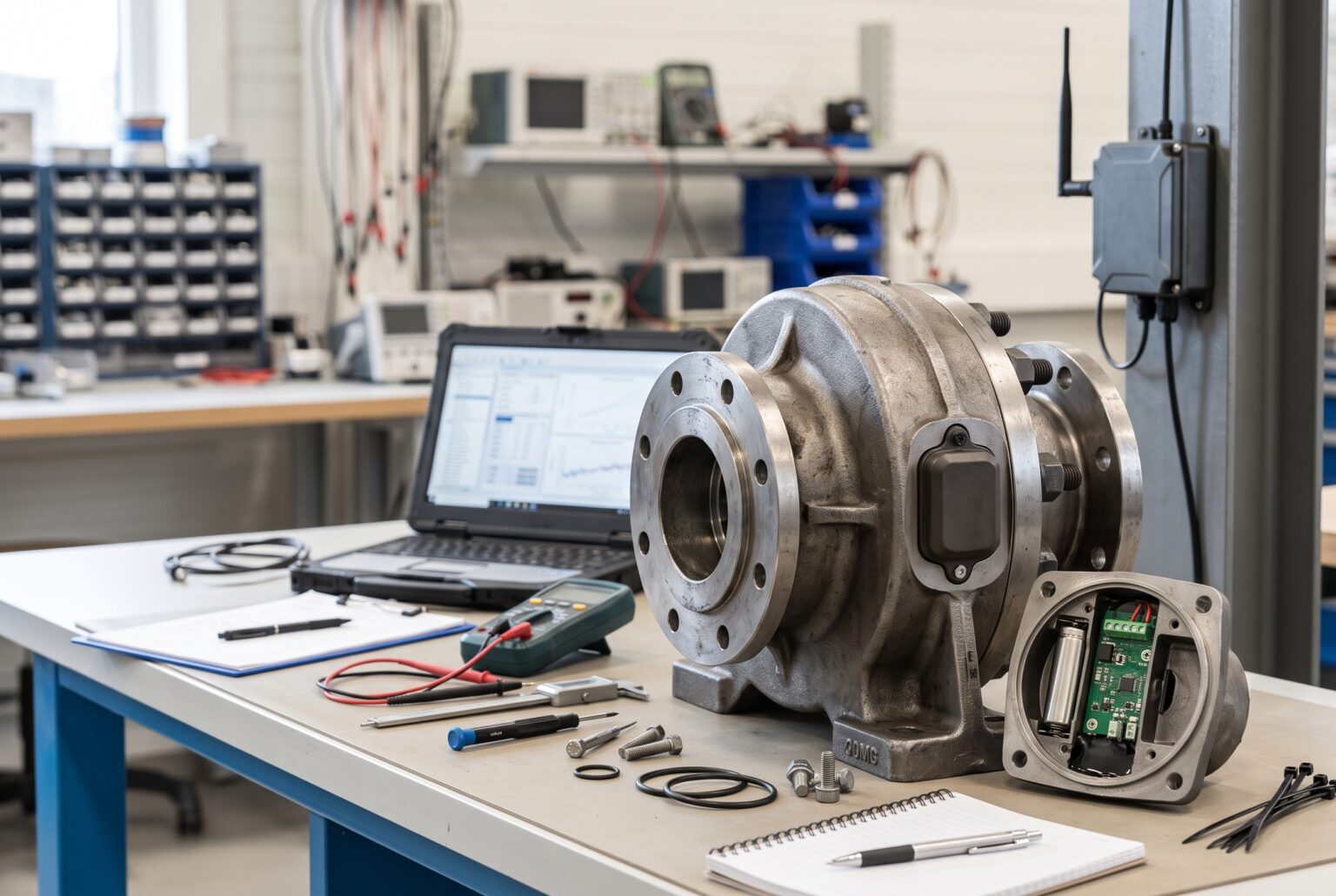
Tool-use and vibration evidence
Evidence questions around tool use, operating patterns and exposure understanding, without making formal standards-based or regulatory claims.
OEM embedded intelligence
Evidence questions around how products, components or wear parts can support better service models and product-performance insight.
Have an evidence question worth testing?
AxioIX can help define the answer, identify the evidence requirement, instrument the proof and decide whether the result should become a repeatable solution.