
SolutionsAsset Visibility
Asset Visibility & Operational Workflows
Asset Visibility — Connecting physical assets with operational context.
Knowing where an asset is does not establish whether it is available, what condition it is in, who has custody of it, who is responsible for it or what should happen next. Asset visibility becomes useful when those answers stay connected to the asset and reach the people who act on them.
This is an emerging AxioIX solution direction. It brings together current engineering and integration capability with the longer-term ambition of the AxioIX Platform.
The problem
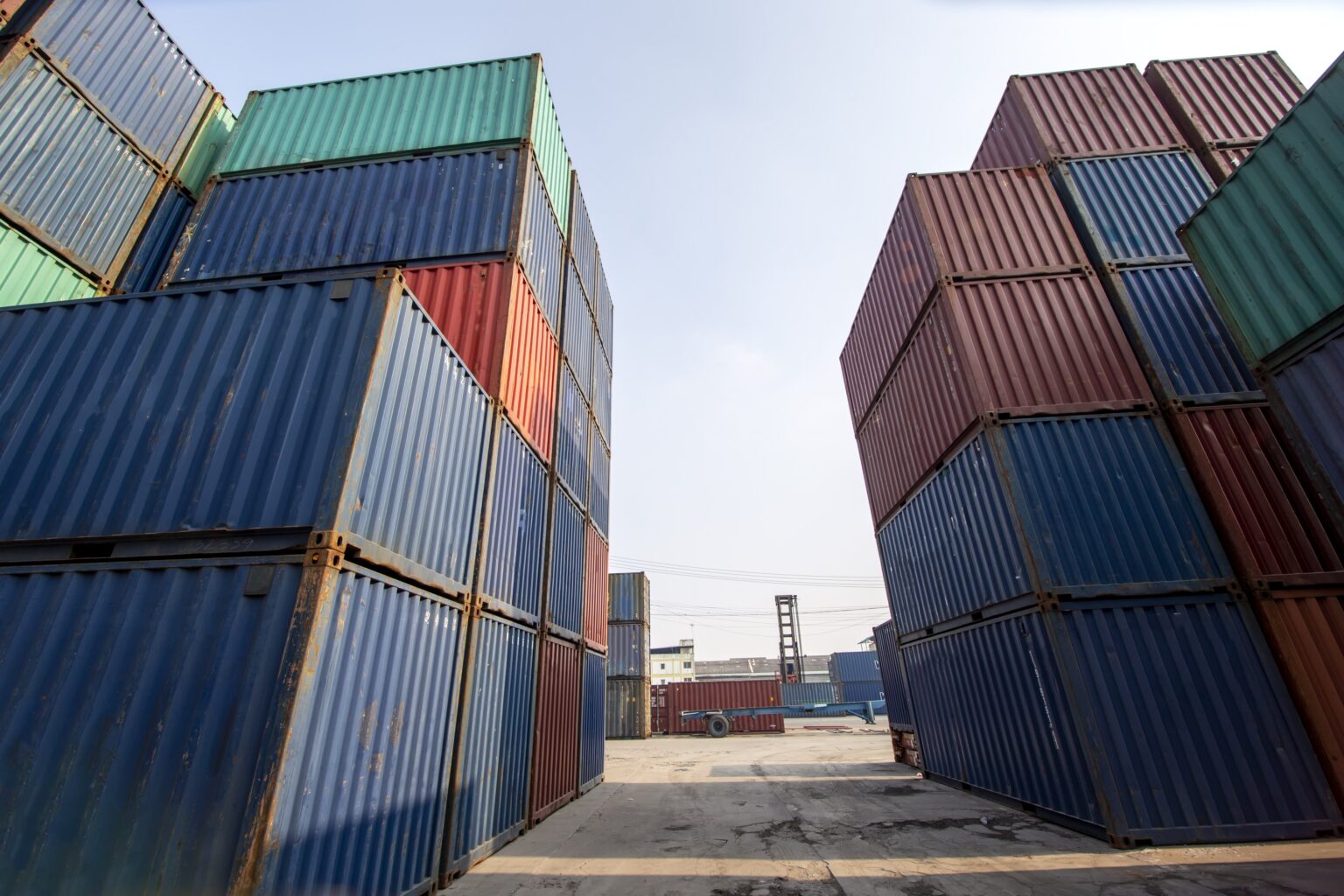
Asset information is usually fragmented.
Information about physical assets is often spread across registers, maintenance systems, spreadsheets, monitoring tools and people’s knowledge. Identity, condition, location and responsibility are rarely connected in one useful view.
The result is time spent finding equipment, confirming its state and working out who should act.
- Separate registers and systems
- Uncertain asset status and location
- Unclear responsibility for action
- Manual reconciliation of information
Building blocks
What connected asset visibility involves.
Useful asset visibility combines several kinds of information, each to the degree an application requires.
- Identity and context
- What the asset is, what it belongs to and how it is used.
- Events, status and condition
- What is happening to the asset physically and operationally.
- Location and movement
- Where it is, where suitable location information is available.
- Assignment and workflow
- Who is responsible and which activity the information should support.
Illustrative example
Knowing where it is does not settle what should happen next.
Consider a portable instrument or specialised maintenance tool that moves between sites, contractors and work teams. A location system can show where it is. The operational questions are often different.
Asset visibility becomes more valuable when identity, status and responsibility stay connected, so that an overdue return, inspection or calibration is noticed by the person who has to act on it.
An illustrative scenario, not a description of an existing customer installation or a deployed AxioIX service.
- Which asset is it?
- Who currently has custody of it?
- Who is responsible for returning, maintaining or inspecting it?
- Is it available and approved for use?
- Has a responsibility or handover changed?
- What should happen if an inspection, calibration or return is overdue?
Integration
Working with maintenance, equipment and enterprise systems.
Asset information is valuable when it reaches the systems and people who act on it. Integration with maintenance management, equipment and enterprise information systems is therefore part of the solution, not an afterthought.
Current position
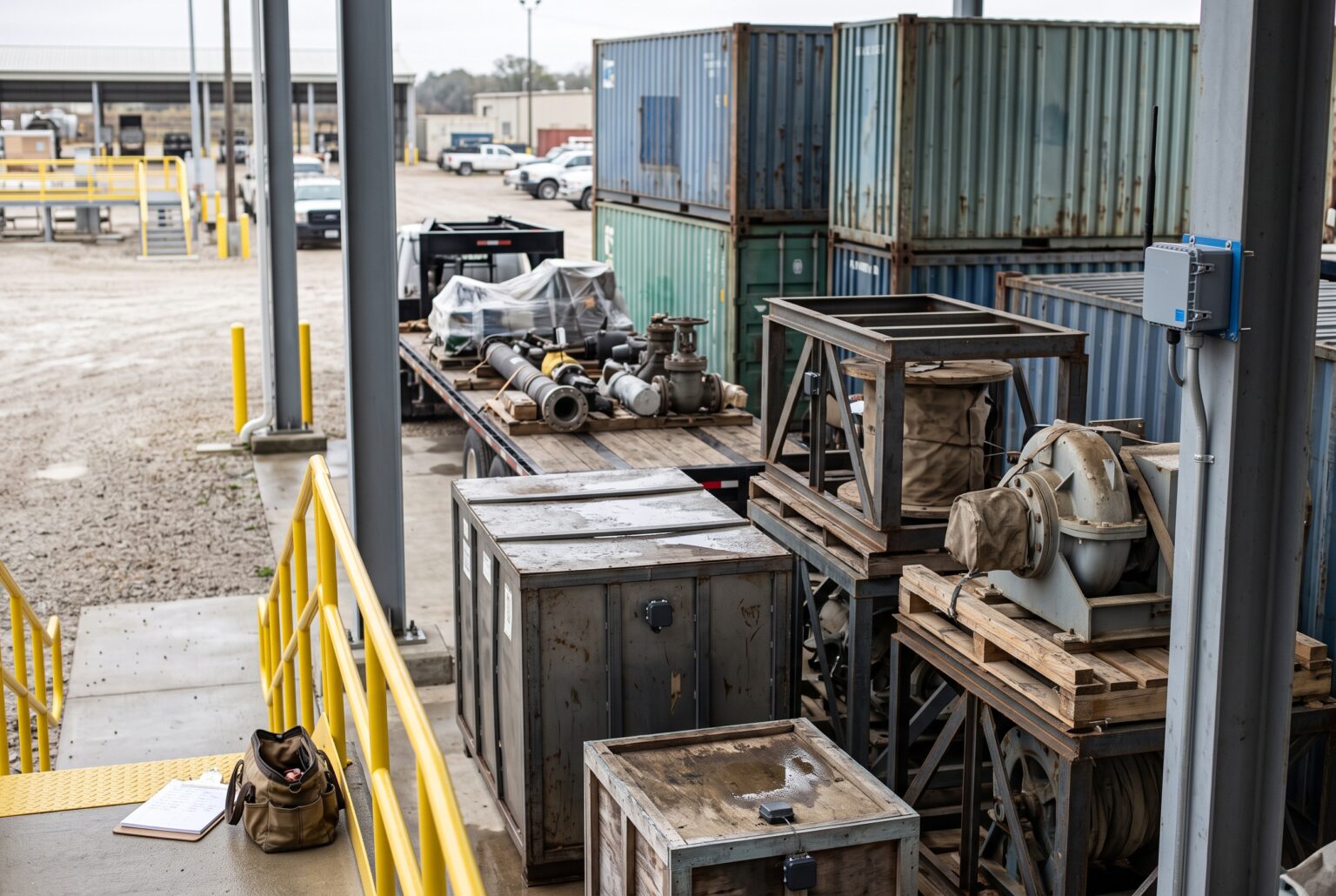
What is supportable today, and where it is heading.
Today
Engineering and integration capability
Direction
Connected asset visibility
Potential applications
Where connected asset information could help.
These are potential application areas for this emerging solution direction.
Logistics
Facilities
Equipment management
Industrial sites
Distributed operations
Discuss an asset visibility requirement.
Tell us which assets you need to understand better and what your teams need to do with that information.