
SolutionsProcess Performance
Process Performance & Optimisation
Process Performance — Understanding variation and improving operating outcomes.
Industrial processes can produce different results even when their recorded settings appear similar.
AxioIX uses physical evidence, engineering analysis and suitable models to investigate how equipment behaviour, process conditions and operating events influence performance.
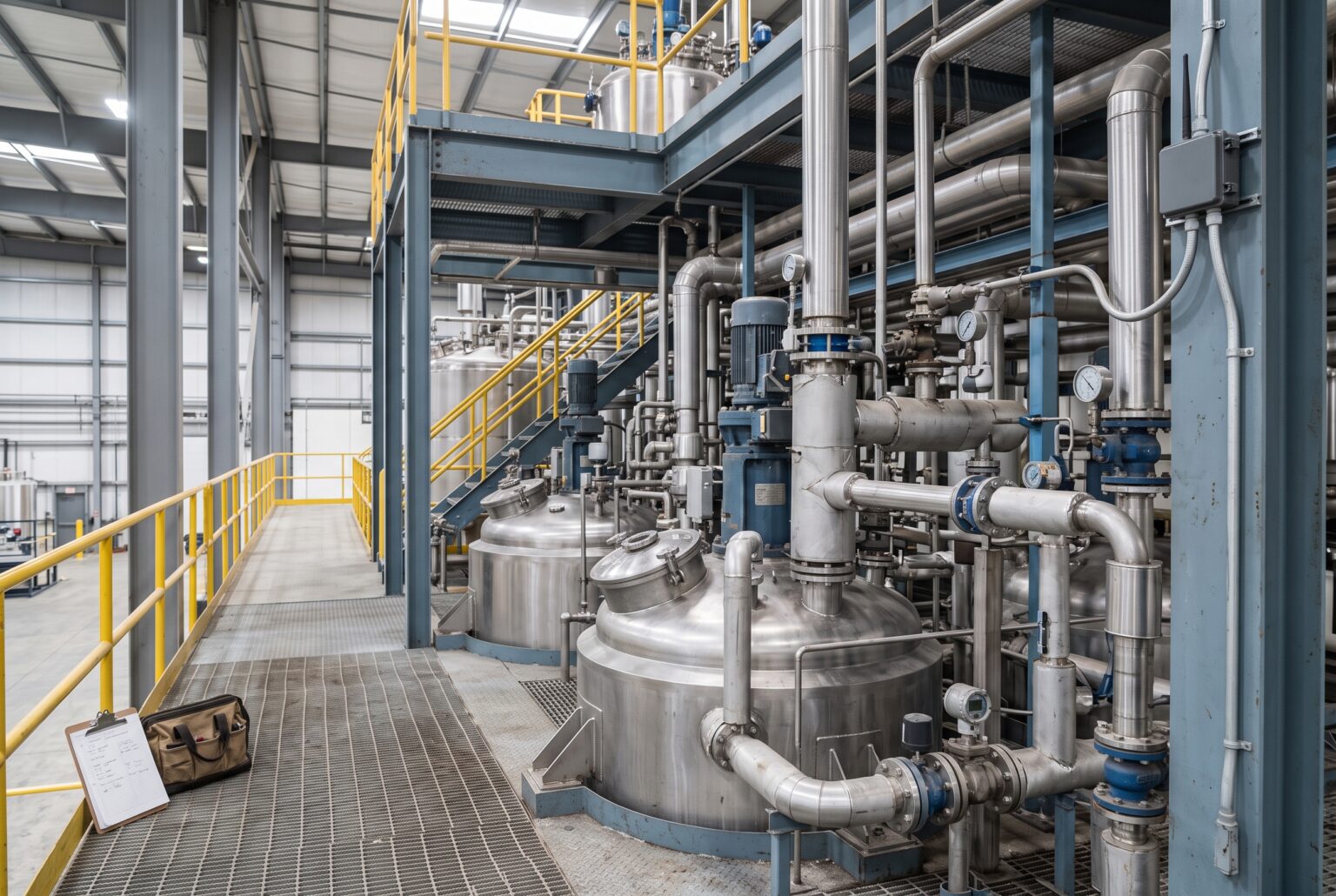
The cost of variation
Unexplained variation is expensive.
When output, quality or consistency varies without a clear explanation, organisations pay through rework, lost capacity, extra testing, conservative operating margins and time spent investigating.
Often the explanation lies in physical behaviour that standard process records do not capture, such as how material moves, how equipment is loaded or how conditions change during a run.
- Inconsistent output or quality between runs
- Conservative settings that limit capacity
- Repeated investigations without a clear cause
- Difficulty transferring a process between lines or sites
Records and measurements
Process records plus physical evidence.
Process records describe what was set and what was recorded. Additional physical measurements can show what actually happened inside the equipment and the process.
Combining the two, alongside material and utility conditions, gives a fuller picture from which candidate explanations for variation can be developed and tested.
Physical conditions
What physical behaviour drives the result?
Depending on the process, candidate variables may include:
- Mixing and movement
- How material is mixed, transported or agitated during processing.
- Equipment loading
- How heavily equipment is loaded and how that changes over a run.
- Temperature history
- Not only the final temperature, but how it developed.
- Material inputs
- Variation in incoming materials and how they behave.
- Utility conditions
- Cooling, heating, air and water supplies the process depends on.
Analysis
From analysis to tested indicators.
Methods
Engineering interpretation
Indicators
Indicators and interventions
Validation
Independent testing
The manufacturer decides. AxioIX provides evidence and analysis. Authority over production changes and quality decisions remains with the manufacturer and its established quality processes.
Response and verification
Supporting operational response, then checking it worked.
Where findings are adopted, monitoring can help operators apply them consistently and show whether performance has become more consistent. Verification uses outcomes independent of the indicators themselves.
How AxioIX structures investigation and proof is described on How We Work.
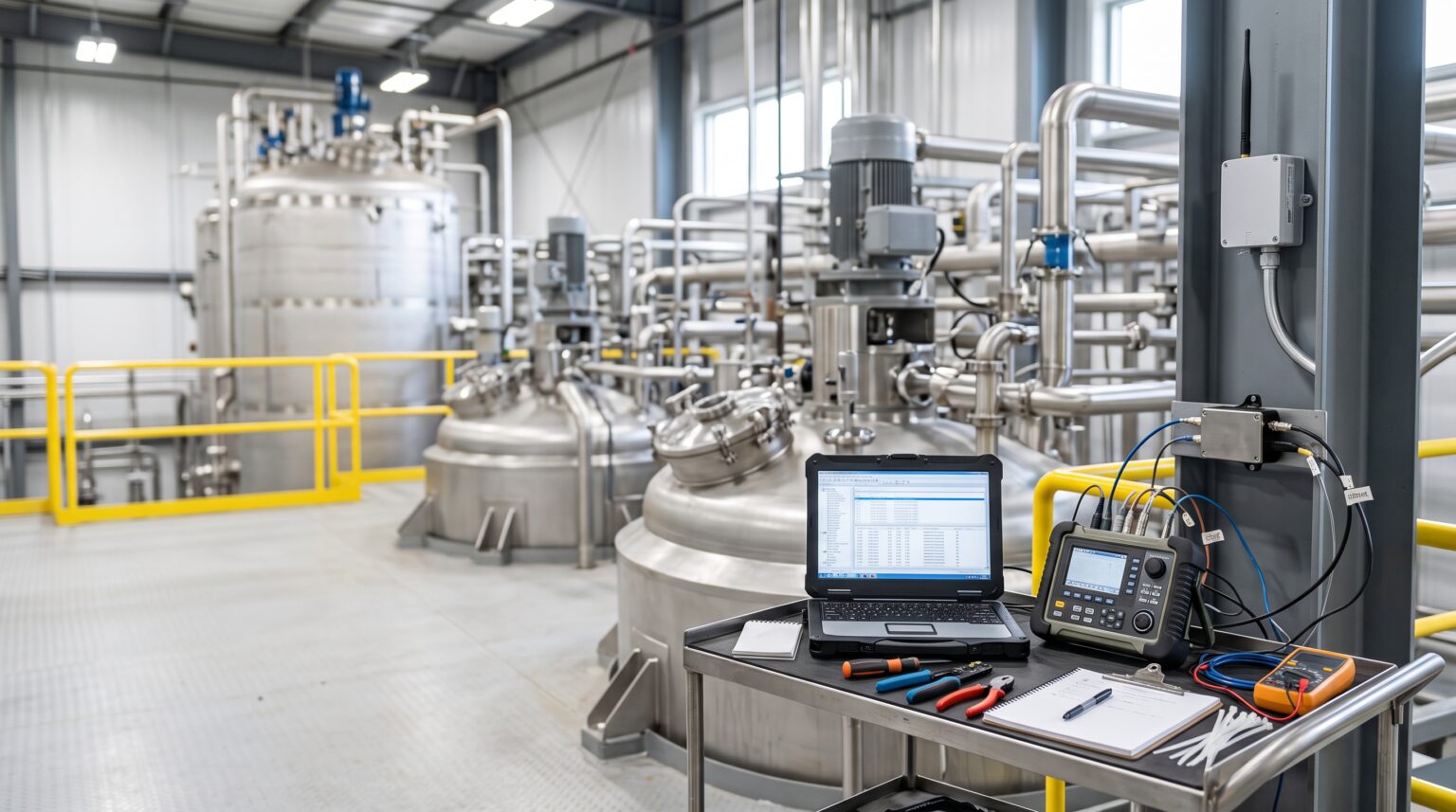
Illustrative image — not an AxioIX installation
Application examples
Two ways physical evidence can explain process behaviour.
Proposed investigation
Pharmaceutical mixing and batch consistency
Established application
Mill Intelligence
Relevant applications
Where process variation matters.
Process behaviour matters in each of these sectors. Mining is where AxioIX’s applied work is most developed; the others are application areas rather than descriptions of completed deployments.
Mining
Pharmaceuticals
Food processing
Industrial manufacturing
Discuss a process performance question.
Tell us where your process varies and what you have already investigated. We will help consider what additional evidence could explain it.