
AxioIX Technology
Technology that connects physical evidence to operational intelligence.
AxioIX combines industrial sensing, embedded engineering, adaptable communications and analytical capabilities to help organisations understand the physical behaviour of equipment, processes and operating environments.
Our technology foundations support both the investigation of difficult operational problems and the development of repeatable connected solutions.
From high-fidelity measurement and edge processing to wireless communications, modelling and systems integration, we select and develop capabilities around the requirements of each application.
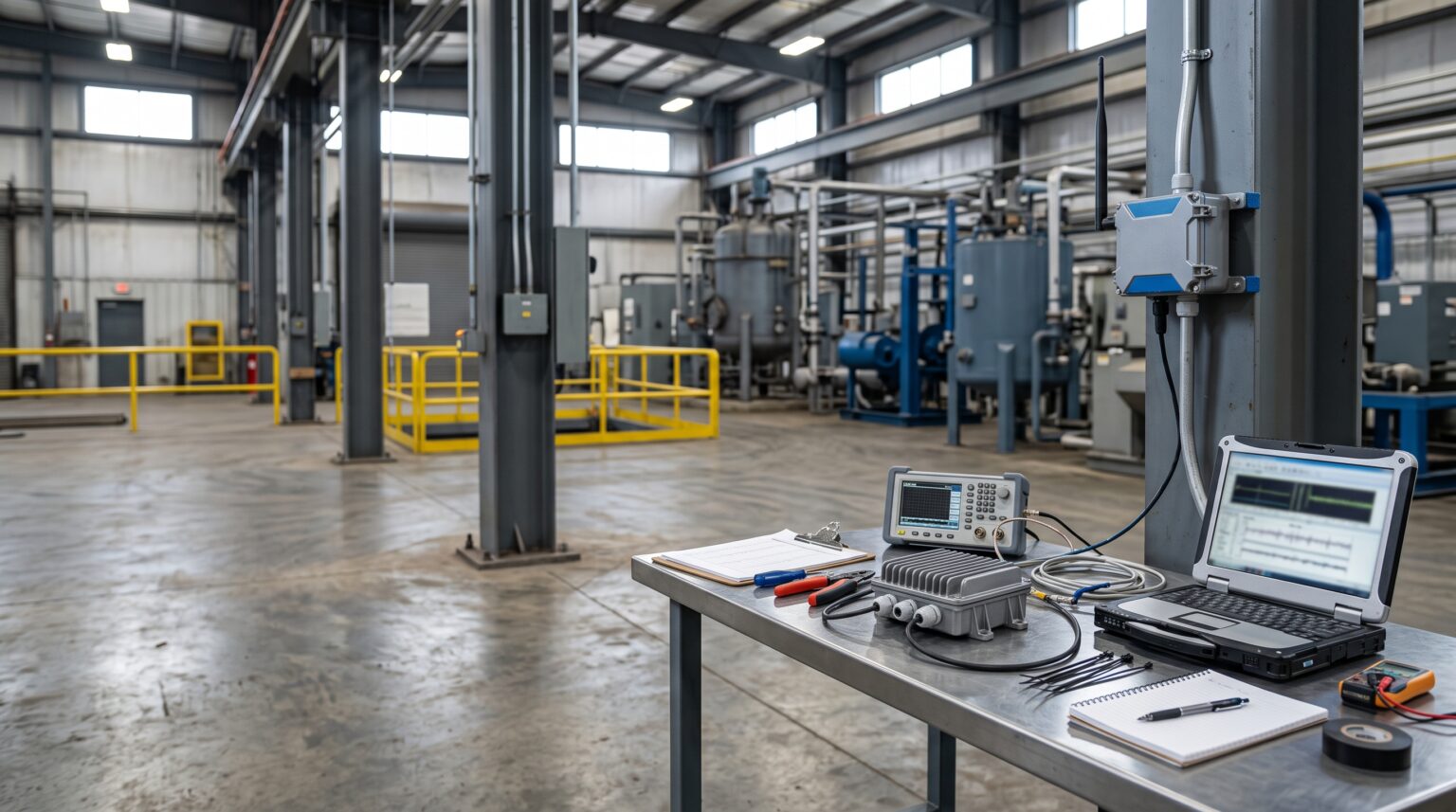
Physical measurement and sensing
Understanding what physical equipment is actually doing.
Industrial control and enterprise systems provide important information about operating commands, recorded states and process measurements. However, some aspects of physical behaviour require additional observation.
AxioIX develops and applies sensing technologies and measurement approaches that help reveal equipment motion, vibration, temperature, operating conditions and other relevant physical phenomena.
Different applications may require detailed waveform capture, periodic measurements, event-triggered evidence or simpler operating indicators. The requirement determines the measurement approach.
- High-fidelity physical evidence
- Capturing sufficient detail to investigate behaviour that averages or low-rate summaries may conceal.
- Multiple measurement types
- Combining appropriate sensing methods where a single signal cannot answer the operational question reliably.
- Embedded processing
- Processing measurements closer to the source when this improves practicality, responsiveness or information quality.
- Existing and third-party instrumentation
- Using suitable available equipment during investigation and deployment, rather than requiring proprietary hardware in every application.
Universal Sensor Platform
One reusable foundation. Many sensing applications.
The Universal Sensor Platform is AxioIX’s common, continuously evolving architecture for developing connected sensing and embedded products using shared hardware and embedded-software foundations.
Rather than developing an entirely separate technology architecture for every application, USP is designed around reusable capabilities that can be configured and extended for different sensing, power, deployment and operating requirements.
The aim is to reduce repeated engineering effort while making application-specific products easier to develop, maintain and evolve.
- Reuse of foundational embedded technology
- Different sensing capabilities for different applications
- Consistent device configuration and lifecycle principles
- More practical product development across industries
- A foundation for OEM integration and repeatable deployments
Where an application needs new sensing capability, development starts from the existing USP architecture and components and adds only what that application requires. Suitable new components are retained for reuse.
rfFlux
Wireless connectivity designed around the application.
rfFlux is AxioIX’s wireless communications foundation. The foundation has already been developed and supports different industrial sensing and data-transport requirements through a reusable, adaptable architecture.
Some applications require detailed physical measurements to be transferred efficiently. Others need occasional operating information from large populations of distributed assets, often under demanding power and connectivity constraints.
rfFlux is designed to accommodate these different communication needs without treating every application as a separate communications-development problem.
It is designed around adaptable wireless behaviour, efficient field communications and distributed device connectivity. Application-specific profiles, gateway integration and device lifecycle functions are developed and validated as each application requires.
Edge processing and evidence
Processing information where it adds value.
Not every physical measurement needs to be transmitted continuously to a central system. Some applications benefit from local processing, event detection, temporary storage or the selective transmission of information.
Other applications require detailed physical evidence to be retained for engineering investigation, modelling or later validation.
AxioIX approaches these choices according to the information required, the operating environment and the decision the solution must support.
- SensorsCapture the physical measurement and, where useful, perform initial processing on the device.
- Readers and edge devicesDetect relevant events, apply local processing and hold information temporarily where needed.
- GatewaysAggregate information from many devices, buffer it and forward it reliably.
- CommunicationsMove information across the site and onwards to the systems that use it.
- Analytical applicationsInterpret the evidence, apply models and deliver information into workflows.
Transmission is not measurement. Sending less information does not mean measuring less carefully. Sampling and measurement quality are set by the physical behaviour being investigated.
Analysis, simulation and AI
Making physical measurements meaningful.
Measurement alone does not always explain what is happening inside a machine or process. AxioIX combines physical evidence with engineering expertise and appropriate analytical methods to interpret behaviour and establish useful operating information.
Depending on the application, this may involve engineering calculations, physical models, simulation, statistical analysis or AI. Simulation is particularly valuable when it helps relate external measurements to physical behaviour that cannot be observed directly.
Mill Intelligence provides an existing example. Measurements from the operating mill contribute to interpreting loading and operating conditions, while simulation helps explain internal material behaviour and supports better-informed decisions.
Integration
Designed to work with the systems organisations already use.
AxioIX solutions may combine new physical measurements with existing operational records, industrial control information, maintenance systems and appropriate third-party technologies.
The purpose is to make additional physical evidence useful within the client’s existing operating environment, not automatically to replace established systems.
Equipment and process information
Monitoring and analytical outputs
Dashboards and alerts
Maintenance and service workflows
Plant and enterprise interfaces
Verification and feedback
For the longer-term vision of a connected physical operating environment, see the AxioIX Platform, and how Connected Digital Twins build a connected operational view from relatively simple representations.
Technology development and OEM
From application requirements to repeatable technology.
AxioIX combines existing technology foundations with specialist engineering to develop solutions for particular industrial requirements. New applications may require additional sensing, packaging, communications, analytical models or integration.
Where a reusable product is justified, the development work can build on existing sensor products and the evolving USP and rfFlux foundations.
This approach is relevant to industrial OEMs and specialist equipment manufacturers seeking to add connected monitoring or intelligence to existing products.
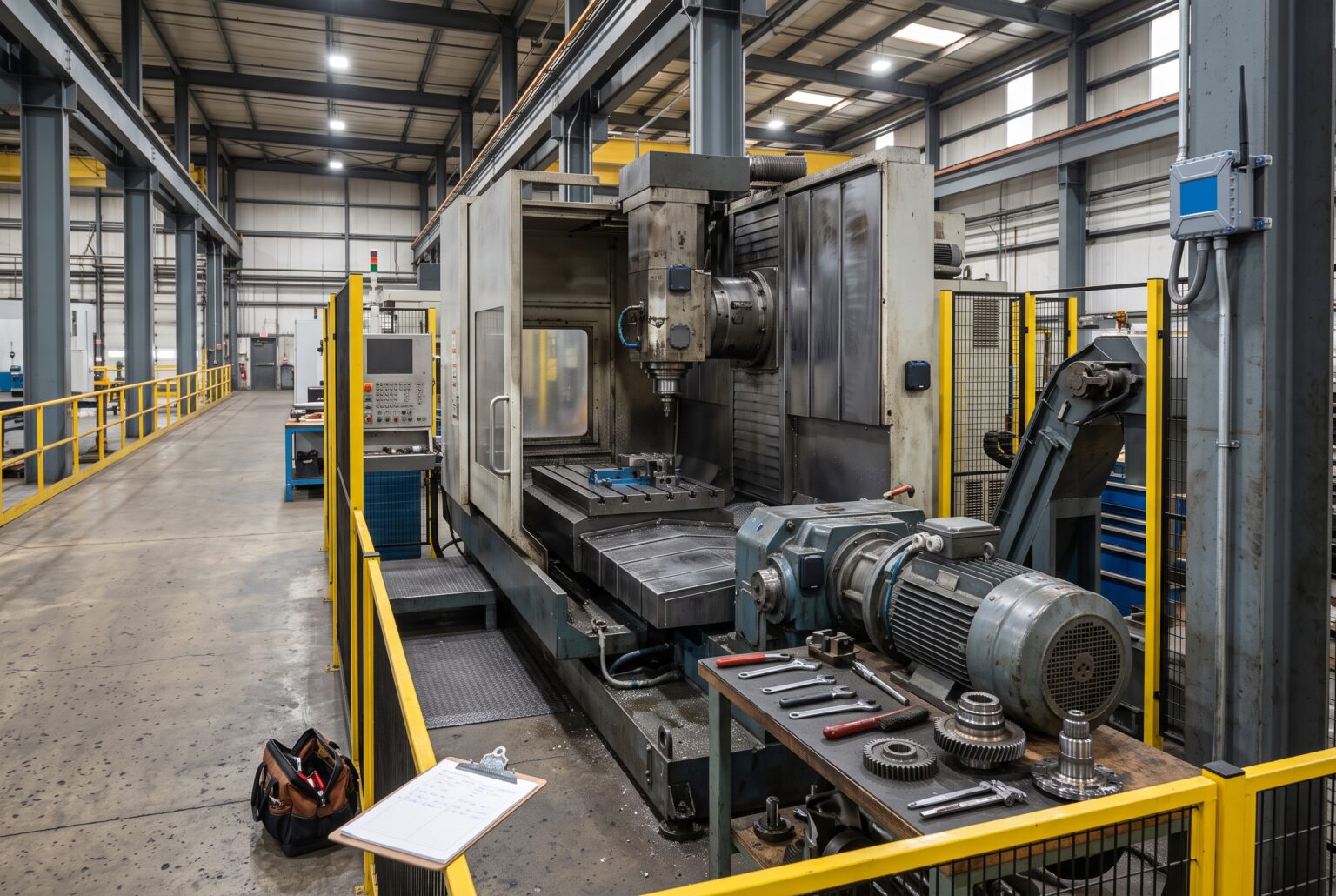
How the technology develops
Technology foundations that evolve through applications.
AxioIX does not build a complete range of devices and communications products in advance. Many engagements use existing customer information, third-party instruments or conventional analysis, and need no new product at all.
Where AxioIX develops connected sensing or communications capability, it builds on two complementary foundations: USP, the common and continuously evolving architecture for sensing and embedded products, and rfFlux, a communications foundation that has already been developed.
Reuse what exists
Development starts from the existing USP and rfFlux architecture and components, so engineering effort goes into what the application actually adds.
Develop what is needed
Application-specific hardware, firmware, communications profiles and integrations are developed, integrated and validated when an application requires them. Suitable components are retained for later reuse.
Build on established technology
Nordic Semiconductor technologies and reference designs, Zephyr RTOS, existing software libraries, suitable bootloader and security capabilities, and AI-assisted development help shorten engineering work.
For customers developing connected products, reusable technology foundations allow engineering effort to concentrate on the requirements specific to the application — measurement, installation, power, operating conditions and approvals — while drawing on existing electronics, firmware and communications components wherever suitable.
These building blocks accelerate engineering. They do not by themselves make a product complete, secure, certified or production-ready: each resulting product remains subject to the testing, validation and qualification appropriate to its intended environment and use.
The right technology for the physical problem.
AxioIX brings together measurement, embedded engineering, communications and analytical capabilities to investigate difficult operating problems and develop practical solutions.